
Storm Readiness for Extended Stay Guests in Osceola
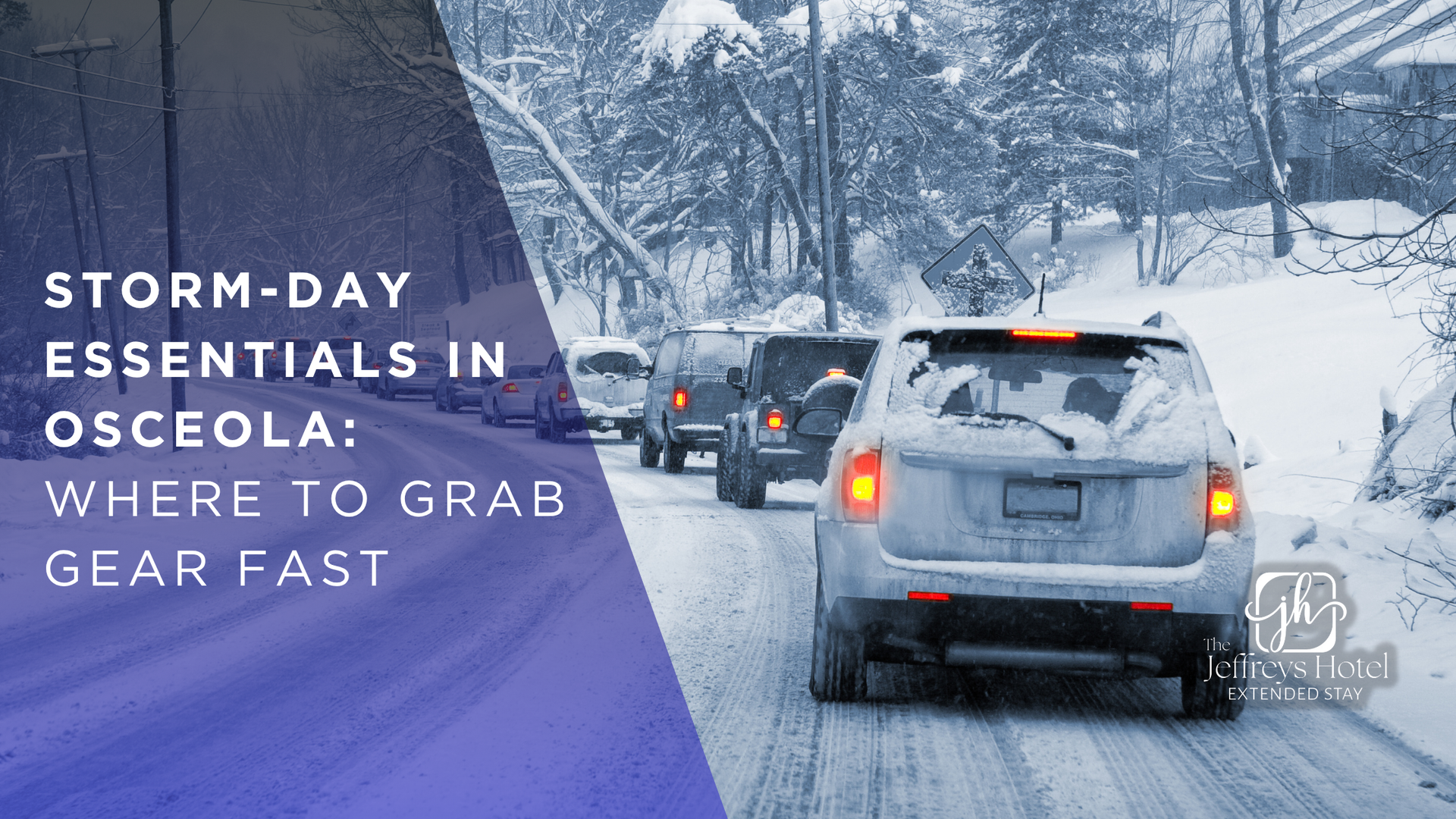
As the story goes, there are two seasons in Iowa: Winter and construction. In reality, the climate in Iowa can be amazing much of the time, but being prepared for winter and having a plan when their is an occasional storm is important.
When staying more than a night or two at a hotel or extended stay in Iowa, it's good to be prepared for about anything weather-wise.
Winter can bring ice, snow, and power flickers. Spring and summer bring those classic Iowa thunderstorms that roll in fast and loud. From the comfort of our rooms, being ready for an storm just means thinking a step ahead.
When the snow hits, keep it simple. You don’t need a giant list. You need a short route, a few smart picks, and a plan to stay put!
Quick room kit, plus staying put and going out
Washer fluid, ice scraper, small shovel, traction salt, extra gloves, socks, stocking cap, phone charger, batteries, flashlight, thermos, instant cocoa or tea, soup, crackers, fruit, protein bars. Keep it by the door. Refill after each storm.
Storm nights are a good time for warm food and rest. Read, play cards, watch a movie, call home. Save errands for daylight. If power blinks, layer up, keep doors closed, and use that thermos you filled earlier.
Check conditions before you move. The Iowa 511 site and app show road reports, cameras, and plow locations. Keep it slow and leave space.
What’s a “go-bag” when at a hotel?
The goal here isn’t to scare anybody. It’s simply to build a small “go-bag” and a short plan so that if the weather turns no scrambling in the dark is required to find a phone charger, meds or other essentials. You’ve already got what you need in one spot, and you know what the hotel’s plan is.
At home, people sometimes keep a bigger emergency kit in a closet or basement. In a hotel, even in a hotel with spacious rooms built for extended stays, they generally don’t have that kind of space, so it is typically scaled down.
Think of a go-bag as a small backpack or tote to could grab quickly if the power goes out, you’re asked to move to shelter in place in an an interior hallway or shelter area, or you need to leave your room in a hurry and can’t carry much. Don't worry about packing for a week in the wilderness. Just a few less comfortable minutes or hours where you still need to stay sheltered, warm, informed, and reachable.
Go-bag basics for extended stay hotel life
This can be built slowly over a couple of days. Most of it comes from regular stores right in or near Osceola.
Here’s a simple list to aim for:
1. Medications and key health items
- A small supply of prescription meds in their labeled containers
- Any daily over-the-counter meds that are relied on
- Inhalers, EpiPens, or other critical items
- A short list of important medical info (conditions, allergies, emergency contacts)
Two pharmacies in town are Walmart and Hy-Vee if in need of an emergency supply refilled. Keep the main bottles wherever normally stored, but tuck a backup day or two into the bag if the doctor/pharmacy says it’s okay. At minimum, keep everything in one place so you can scoop it up fast.
2. Chargers and small electronics
- Phone charger and cable
- Portable battery (power bank) if one is available
- A compact flashlight or headlamp (with fresh batteries)
- If the power goes out, not having to use the phone as a flashlight means not draining the battery.
3. Food and water
- A few bottles of water
- Non-perishable snacks that don’t need heating—granola bars, crackers, nuts, dried fruit, jerky.
- Don't worry about stocking a pantry. Just something to hold over if stores close early or it's too difficult or unsafe to leave the building or property for a bit due to a storm or adverse winter weather conditions.
4. First-aid basics
- Bandages, antiseptic wipes, and basic pain relievers
- Any special items known that will be needed (for example, allergy or motion sickness meds). A small off-the-shelf first-aid kit works just fine here.
5. Important documents and backups
- A folder with copies of IDs, insurance cards, and any key paperwork
- A list of emergency contacts written on paper (in case the phone runs out of batter life). If you’d rather not carry originals, keep them in your usual safe spot and put copies in the bag.
6. Comfort items for kids
- A small stuffed animal or blanket
- A couple of books, crayons, or a simple game
- A snack they actually like. Kids handle storms better when something familiar comes along. It doesn’t need to be a whole toy chest—just one or two “this always comes with us” items.
7. Clothing and weather protection
- A simple change of clothes
- Socks and a warm layer (hoodie, light jacket)
- A hat and gloves in the winter months. Even inside, temperatures can get chilly if the power’s out for a while. Layers are your friend.
Watch the weather and know the signals
A go-bag’s only half the story. It's important to know what’s coming.
A few easy habits:
Turn on emergency alerts on your phone. Most smartphones can receive Wireless Emergency Alerts (WEA) from the National Weather Service and other officials for threats like tornado warnings and flash flooding. The federal Ready.gov site recommends enabling these alerts so you don’t miss urgent information.
- Check the local forecast once a day.
- Pick your favorite weather app or site and glance at it each morning.
- Know the difference between a watch and a warning.
Where to pick up supplies around Osceola
The nice thing about building a go-bag is that you don’t need specialty stores. You can spread it out over your usual errands:
- Grab a flashlight, batteries, and a small first-aid kit when out picking up toiletries.
- Toss extra granola bars, crackers, and bottled water into a grocery run.
- Pick up a simple backpack or tote if extras aren't already on hand.
If unsure where to start, a simple Google search will work, or visit other guides on The Jeffreys site such as an article on Osceola food after-hours and more. You can always ask the front desk for help with specialty items. From there, it’s just a matter of adding one or two items each trip instead of trying to buy everything in one go.
The 20 minute errand loop
Start close, grab the basics, get back safe.
- Ace Hardware, 1012 Jeffreys Dr, Osceola: hand warmers, ice melt, snow brushes, extension cords, flashlight batteries. Typical hours run mornings to early evening, plus weekend coverage. Call if the weather looks rough.
- Walmart, 2400 College Dr, Osceola: windshield washer fluid, thermoses, gloves, hats, space heaters, pantry staples, pharmacy. Open early to late most days. The lot is wide, which helps when plows are still working.
- Hy-Vee, 510 W McLane St, Osceola: ready soups, rotisserie chicken, bread, shelf milk, tea, cocoa, pharmacy. Good last stop before you head back.
Helpful local info, helpful decision guide
AT Clarke County Hospital, 800 S Fillmore St, emergency care is available. Call ahead for non-emergency questions. Pharmacies: Hy-Vee Pharmacy hours vary by day, Walmart Pharmacy typically open until evening. Verify hours during storms.
- Visibility is bad, wind is high, or plows aren’t caught up yet, wait.
- You only need one or two items, ask the front desk or a neighbor if they can spare it.
- If you do go, use the loop in this order, Ace, Walmart, Hy-Vee, then straight back.
Know where to shelter inside the hotel
If something looks dicey—tornado risk, ice storm, or severe thunderstorm line—ask at the front desk how the hotel handles alerts and where they have guests shelter.
Every property handles this a little differently, so don’t be shy about asking. When you check in or at your next quiet moment, you can simply say: “If we get a bad storm warning while we’re here, where do you have guests go?”
In general, the safest spots in many buildings are interior areas on the lowest floor, away from windows and large spans of glass.
Federal guidance from Ready.gov for tornadoes and severe storms recommends small interior rooms, hallways on the lowest floor, or designated shelters. Again, stay away from windows and exterior walls. Let the hotel lead, and follow instructions posted or communicated by management to guests. They should be the most familiar with the layout of the building and how previous storms have been handled.
Working together with other extended-stay guests
One of the benefits of staying in the same place for a while is that you start recognizing your neighbors. In a storm, that can actually make everyone safer and calmer. This does not require a formal committee. Instead why not:
- Compare notes with nearby rooms. “Hey, if we get bad weather, we’re planning to grab our go-bag and head to the lobby/hallway—just so you know.”
- Check on each other if there’s a warning. A quick knock and “We’re heading down now, you all good?” goes a long way.
- Share small items if someone forgot something. Extra flashlights, water bottles, or kid distractions can make a long hour pass a little easier.
As mentioned before, Ready.gov and similar emergency-prep guides emphasize the value of neighbors talking through plans before an emergency hits and checking on one another during events, especially in places like apartment buildings or shared housing.
Extended-stay hotels aren’t much different in that sense; guests have just arrived from different directions.
When folks know each other’s names or roughly who’s in which room - like families, solo travelers, older guests - it’s easier to make sure nobody gets left behind in a rush to shelter.
Calm, not complicated
No need to build a bunker or become a full-time weather hawk. Being storm ready during a longer stay in Osceola comes down to a few simple steps:
- Put together a small go-bag that lives in one spot.
- Pick up supplies a little at a time from local stores.
- Turn on weather alerts and check the forecast once a day.
- Ask the hotel where to shelter and what their plan looks like.
- Get on a first-name basis with a couple of neighbors.
It’s a small investment of time and doesn't cost much, and the payback is peace of mind. If the weather does turn rough while in a hotel, it's just good to already know what to grab, where to go, and who to check on, which can makes any storm feel a lot less overwhelming.
October 8, 2025
More from the Hotels in Osceola Iowa Blog